
Key Ways Air Duct Cleaning Supports Better Indoor Air Quality
Indoor air quality depends on more than whether a room looks clean. Dust, pet dander, pollen, and other particles can settle in places that are rarely seen, including the ductwork that carries heated or cooled air through a home. As the system runs, air moves past these surfaces again and again. That makes the condition of the ducts one part of the larger picture of what people breathe indoors.
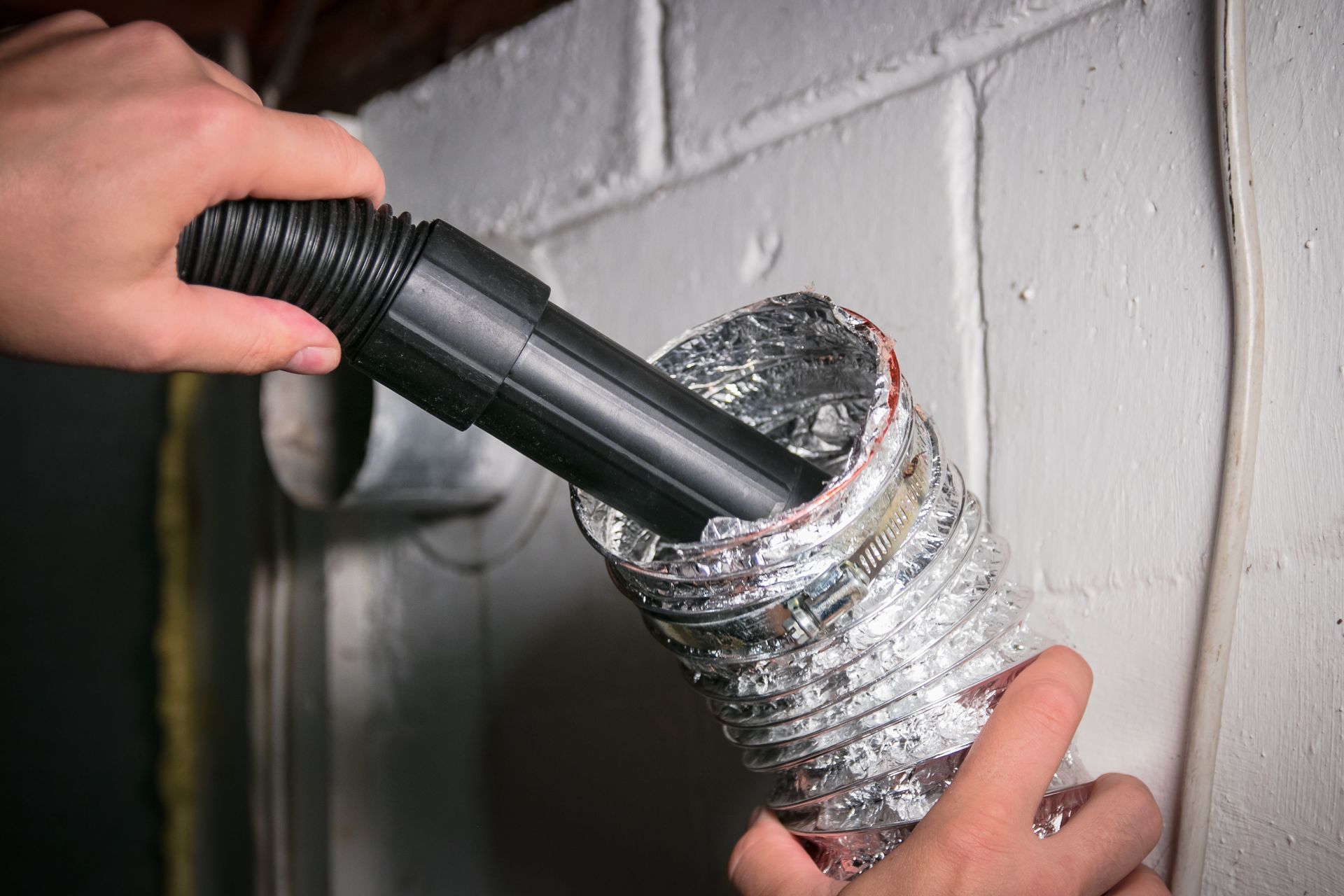
Professional air quality duct cleaning addresses buildup inside this air distribution system. It is especially relevant when ducts contain visible debris or have collected dust from recent work in the home. Because indoor air has many possible sources of particles and odors, the condition of the ducts matters most when something inside them is contributing to what residents notice. Understanding that connection helps homeowners recognize when cleaning may improve the air pathway and when another cause needs attention.
Removing Dust That Has Settled Out of Sight
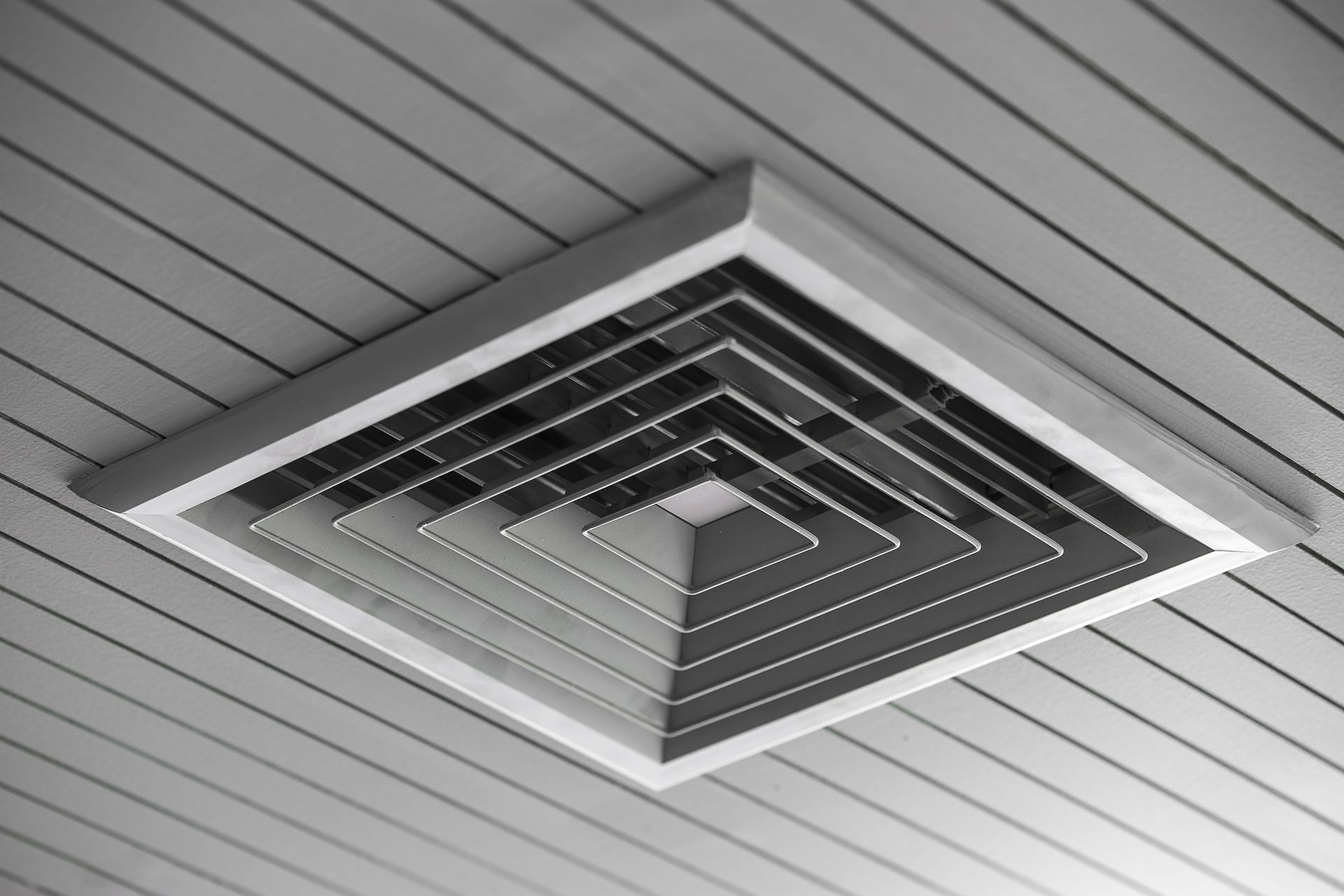
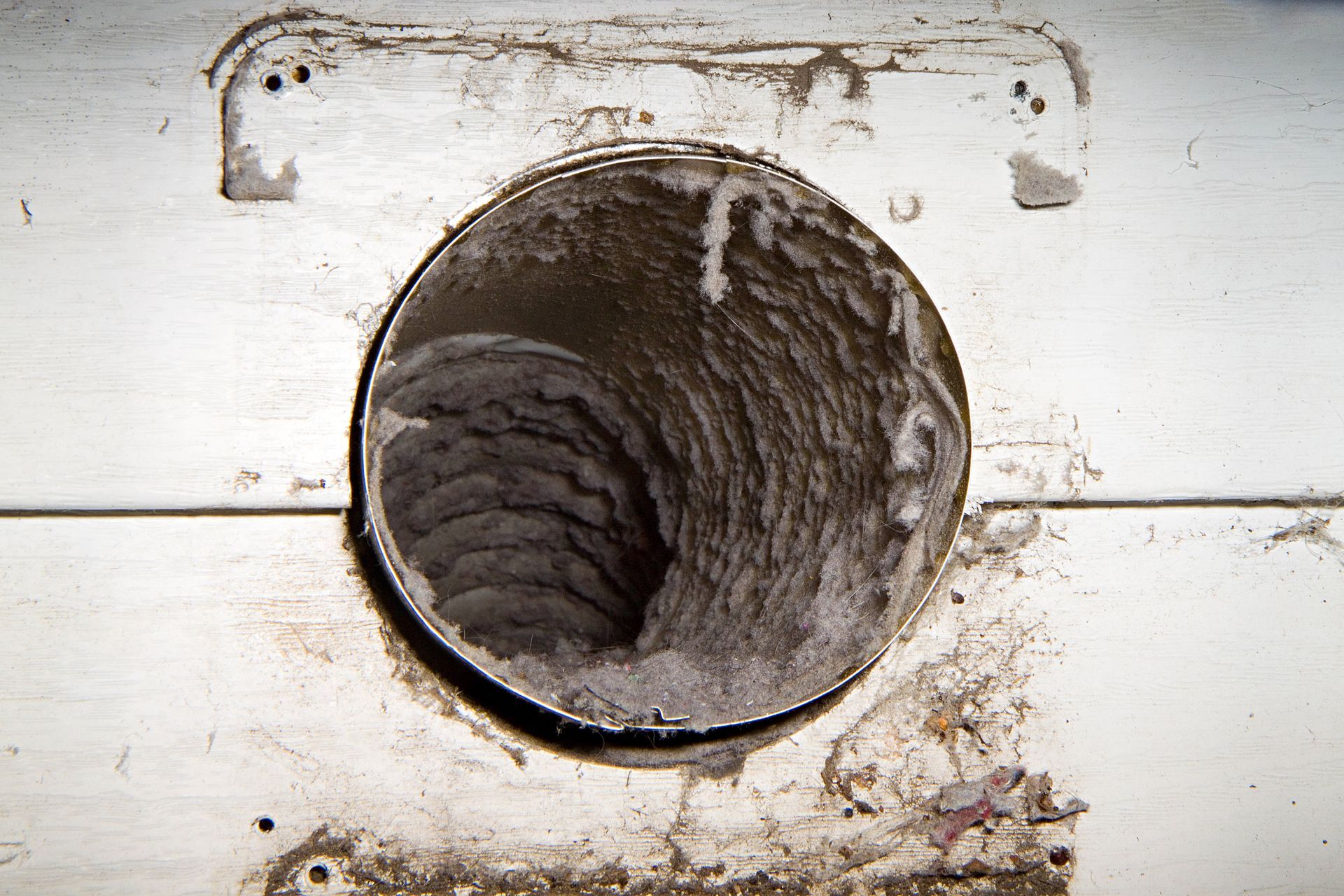
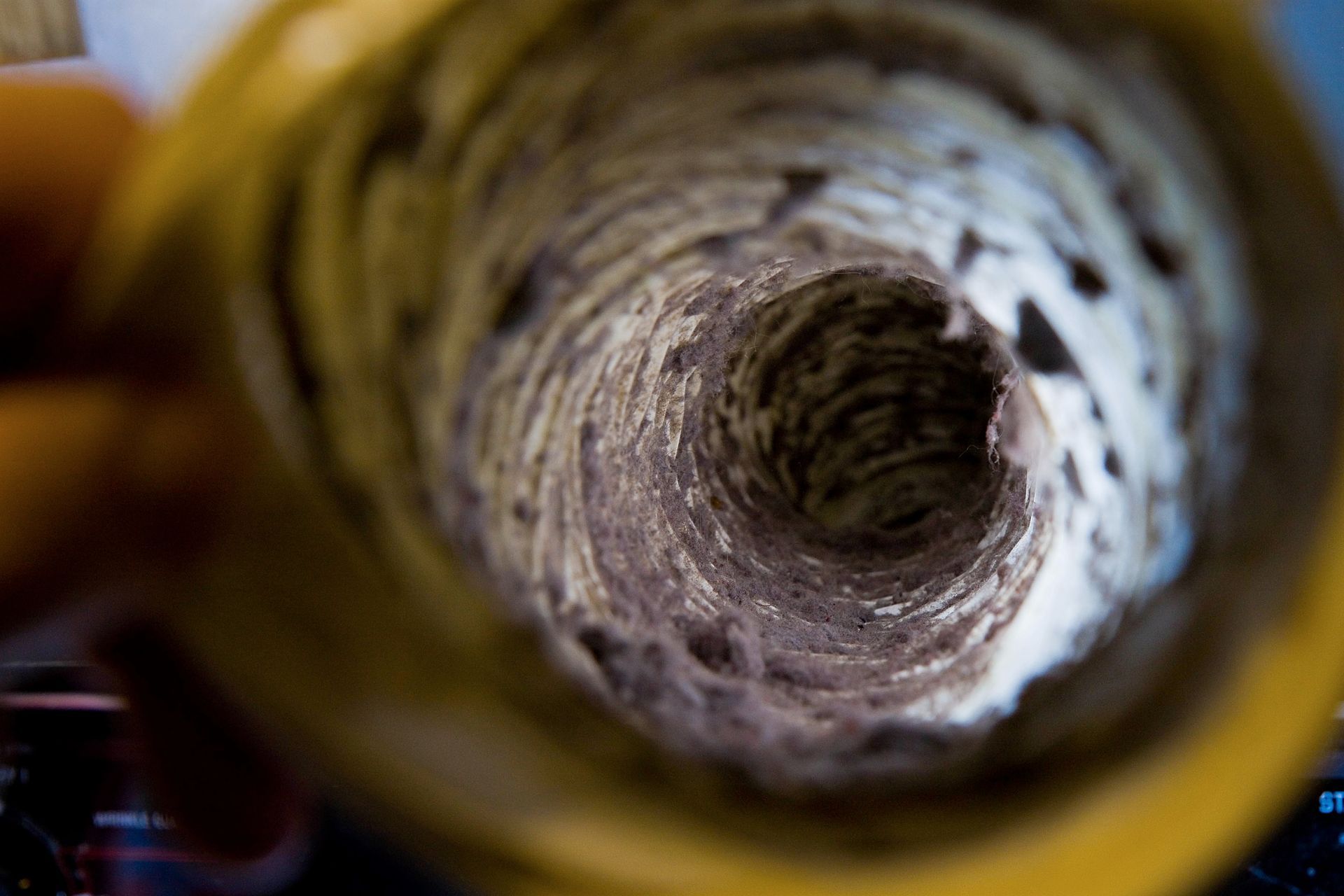
Dust does not remain suspended in the air indefinitely. Some of it settles along duct surfaces and around registers, leaving material inside the passages serving rooms throughout a home. The openings reveal only a small part of those passages, so a tidy room may still have deposits hidden farther inside. When airflow or another disturbance moves loose particles, some may enter occupied spaces again. Professional cleaning removes the accumulated material from the ducts instead of leaving it where it can be disturbed later.
The size of the system helps explain why buildup may go unnoticed. According to HomeGuide, a typical home's ductwork extends about 100 linear feet. That length gives dust places to settle well beyond the openings homeowners can see. Air quality duct cleaning can reach deposits inside those passages, where surface cleaning in a room cannot. Removing them leaves less material in the ductwork to be picked up as air travels toward the vents, although household dust will continue to come from other sources.
Addressing Particles Carried Into the System
Everyday activity introduces particles into indoor air. Pollen comes in from outdoors, pets shed dander, and fabrics and furnishings release dust as people use them. Some airborne material can enter the heating and cooling system and settle within its ductwork. This happens gradually, so there may be no single event that explains the accumulation. If those deposits build up, the ducts become another reservoir of material that may be disturbed when the system operates.
When substantial debris is visible at a vent or dust is known to have entered the system, air quality duct cleaning can remove particles that have settled inside. That reduces the material available to be disturbed from those ducts. Pollen entering tomorrow and pet dander elsewhere in the home remain separate sources, however, so cleaner ducts cannot promise relief from allergies or asthma. The value of cleaning lies in removing a possible contributor to airborne irritants, not in controlling everything that enters the indoor air.
Clearing Debris After Dusty Work
Home renovations can change what collects in a duct system. Cutting, sanding, and other dusty work may release fine particles that travel through the house and settle in openings or duct runs. Even after the visible work area has been cleaned, deposits inside the ducts can remain out of sight. A register exposed during nearby work presents a particular opening for that dust. If debris later appears at the vent when the system runs, it may be worth finding out how far the material traveled.
In that situation, air quality duct cleaning addresses dust that has reached the air distribution system after the work ends. A professional can examine the ductwork and remove debris that actually entered it. Construction dust on furniture or floors does not, by itself, mean that a significant amount collected in the ducts. Visible material inside an opening offers a clearer reason to look farther into the system and see whether the deposits continue. When the passages do hold leftover debris, cleaning removes that lingering source instead of allowing it to remain beyond the reach of ordinary room cleaning.
Investigating Odors Near Vents
An unpleasant smell when the heating or cooling runs can raise questions about what is inside the ducts. Debris trapped in an air pathway may contribute to an odor when air passes over it and carries the smell into a room. Cleaning can remove that material if it is the source. Although an odor that appears only while air is flowing may help narrow the question, it does not show exactly where the smell begins. Identifying its origin matters because an odor noticed at a vent can also come from somewhere else.
Moisture makes that distinction particularly important. A musty smell may point to damp material inside a duct or to a problem outside the ductwork. If moisture remains, removing dry debris alone may leave the smell unchanged. Air quality duct cleaning can remove material within the ducts, but the cause of persistent dampness must also be addressed. This is why tracing an odor to its source is more useful than assuming that every unpleasant smell calls for the same response.
Keeping the Air Pathway Clear
Heavy deposits of debris can interfere with air moving through part of a duct system. Removing an obstruction clears that passage and takes away material that might otherwise shift toward an opening. Such a change may make the airflow in a room feel more consistent, especially if the buildup was restricting it. A light coating of dust, however, does not explain every airflow problem. When a room receives little air, the cause needs to be understood before cleaning is treated as the answer.
Leaks or damage in the ductwork can also affect how air reaches a room. A professional may find that a damaged section calls for air duct repair rather than cleaning alone; removing dust will not close a leak. Where debris is obstructing a passage, cleaning can address that buildup directly. Looking at the condition of the ducts keeps the response tied to what is actually interfering with the movement of air.
Putting Cleaner Ducts in Context
The air people breathe reflects outdoor conditions, daily activity, furnishings, and the home's heating and cooling system. Duct cleaning addresses material in the air distribution passages, which is one part of that picture. Visible debris at a vent, dust that entered during renovation, or an odor traced to deposits in the ducts gives homeowners a specific reason to consider it. Without such a connection, cleaning the ducts may leave the concern that first drew their attention largely unchanged.
Air quality duct cleaning can remove buildup from the passages, but it cannot prevent new dust from entering a home. Nor will it resolve an unrelated moisture problem or a damaged duct that needs repair. A professional assessment can help establish whether deposits inside the system are significant and where attention is needed. The clearest benefit follows from that finding: once accumulated material is removed, it is no longer sitting in the ducts where moving air may disturb it.
Indoor air changes with daily activity, so no single service can settle every air quality concern. When debris has accumulated in the ducts, removing it addresses a source that routine room cleaning cannot reach and gives circulating air a cleaner path. At Mighty Ducts LLC, we clean air ducts and can assess duct damage when it affects that pathway. Contact us if you would like to discuss what your ductwork may need.
Share On: